Personal Data Protection Policy

Accrelist Medical Aesthetics (A.M Aesthetics)

1. Introduction

1.1. Your privacy matters to us. We are committed to safeguarding your personal data in a manner that complies with the Personal Data Protection Act 2012 of Singapore (“PDPA“) and to protecting the privacy of everyone we deal with.

1.2. This Personal Data Protection Policy of Accrelist Medical Aesthetics (A.M Aesthetics) (“Policy“) explains how we collect, use, disclose and retain your personal data in Singapore. It also sets out how you may request access to and correction of your personal data, how you may make an enquiry, and, if necessary, how you may make a complaint about the way we handle your data. Unless stated otherwise, this Policy applies to the personal data of our current and former customers, as well as other individuals we may deal with.

1.3. References to “A.M Aesthetics“, “we“, “us” or “our” in this Policy include, individually and collectively, A.M Aesthetics Pte Ltd and its subsidiaries that collect, use and/or disclose personal data in Singapore.

1.4. By interacting with us, submitting information to us, or signing up for any product or service we offer, you consent to us (together with our representatives and agents) collecting, using, disclosing, retaining and sharing your personal data among ourselves, and disclosing it to our authorised service providers and relevant third parties, in the manner set out in this Policy.

1.5. This Policy supplements but does not supersede or replace any other consent you may previously have given us in respect of your personal data. The consents you give here are in addition to any rights we may have at law to collect, use, disclose and retain your personal data.

1.6. This Policy forms part of the terms and conditions governing your relationship with us and should be read together with those terms and conditions (“Terms and Conditions“). If there is any inconsistency between this Policy and the Terms and Conditions, the Terms and Conditions will prevail.

2. What personal data do we collect?

2.1. In this Policy, “personal data” means any data about you from which you can be identified, whether (a) from that data alone; or (b) from that data together with other information to which we have or are likely to have legitimate access, including data in our records as updated from time to time.

2.2. Depending on the nature of your interaction with us, we may collect personal data directly from you, from your authorised representatives, from third parties, or from publicly available sources. Examples include:

(a) your name, passport or other identification number, telephone number(s), mailing address, email address, and any other information you provide in forms you submit to us or through other interactions with us;
(b) your photographs;
(c) your employment history, educational background and income levels;
(d) personal data of your family members, such as next of kin, spouses and children;
(e) payment information, such as your bank account number or credit card details; and
(f) information about your use of and interaction with our website(s) and services, including computer and connection information, device capability, bandwidth, and statistics on page views and traffic to and from our website(s).

3. How do we collect your personal data?

3.1. We generally collect personal data in the following ways:

(a) when you submit an application, registration or other form relating to our products and services;
(b) when you enter into an agreement with us, provide documentation or information about your dealings with us, or use our services;
(c) when you interact with our employees — for example, by telephone, letter, in person, on social media, or by email;
(d) when you use our electronic services or interact with us through our website(s);
(e) when you ask us to contact you or to include you in an email or other mailing list;
(f) when you respond to our promotions or initiatives, or to a request for additional personal data;
(g) when your image is captured by our CCTV cameras on our premises, or in photographs or videos taken by us or our representatives at events on our premises;
(h) when you are contacted by, and respond to, our marketing representatives and customer service officers;
(i) when we receive references from business partners and third parties — for example, where you have been referred to us;
(j) when you complete surveys administered by our third-party survey providers;
(k) when we seek information about you from third parties in connection with products and services you have applied for; and/or
(l) when you submit your personal data to us for any other reason.

3.2. When you browse our website(s) or use our application(s) and digital services, you generally do so anonymously (please see section 6 on cookies). We do not automatically collect personal data through our website(s), application(s) and digital services unless you provide it or log in using your account credentials.

3.3. If you provide us with personal data relating to a third party (for example, your spouse, children, parents or employees), you confirm that you have obtained that person’s consent for you to provide their personal data to us for the relevant purposes.

4. Why do we collect, use, disclose and retain your personal data?

4.1. We collect, use, disclose and retain personal data that is reasonably necessary for our business functions and activities. Typical purposes include:

(a) managing your package, services or products;
(b) providing you with membership benefits and services;
(c) providing you with employment and employability services;
(d) providing you with training;
(e) assisting you with your enquiries, feedback, complaints and requests;
(f) processing payment for your packages, purchases and subscriptions;
(g) improving our membership and customer services, such as resolving complaints and handling requests and enquiries;
(h) conducting research, surveys and interviews;
(i) keeping you updated on our events and social media campaigns;
(j) administering our promotions, marketing activities and birthday vouchers;
(k) complying with applicable laws and regulations; and/or
(l) any other purpose reasonably related to the above.

4.2. Marketing and optional purposes

From time to time, we may contact you by post, email, telephone (call or SMS), facsimile or social media to tell you about membership benefits, services and events that we think may interest you. You can tell us at any time if you no longer wish to receive marketing materials, and we will remove your details from our direct marketing database.

You may give your consent to receive marketing communications:

  • by ticking the relevant boxes when providing your personal data through our website, app or a form; or
  • by telling our customer service representative when providing your personal data over the telephone.

You may opt out of marketing communications at any time, free of charge, by:

(a) following the opt-out instructions in the communication;
(b) writing to us at the address listed below; or
(c) updating your email subscription preferences by emailing us at enquiries@amaesthetics.com.sg.

Please note that we may still send you non-marketing messages, such as surveys, customer-service notices and other service-related notices.

5. Disclosure and retention of your personal data

5.1. Any personal data provided to or collected by us is controlled primarily by us. We store your personal data only for as long as is relevant to the purpose for which it was collected and for as long as required by applicable law. We take reasonable steps to protect your personal data against unauthorised disclosure.

5.2. We use external service providers and third parties, some of which may be located outside Singapore, and your personal data may be provided to them for this purpose. Subject to applicable law, we may disclose your personal data for the purposes listed in section 4 (where applicable) to the following:

(a) affiliated companies of A.M Aesthetics Pte Ltd;
(b) a company subject to a collective agreement with one of our affiliates;
(c) companies providing medical screening, marketing and consultancy services to us, including hospitals, clinics or insurance companies in connection with claims;
(d) agents, contractors, data intermediaries or third-party service providers who provide operational services, such as telecommunications, mailing, information technology, payment, payroll, data processing, training, market research, card processing, storage and archival;
(e) agents, contractors or third-party service providers who provide services in connection with the courses, programmes and events we organise, conduct and administer;
(f) our partners or collaborators in our courses, programmes and events;
(g) any business partner, investor, assignee or transferee (actual or prospective) to facilitate business asset transactions (including any merger, acquisition or asset sale) involving us;
(h) external banks, financial institutions, credit card companies and their service providers;
(i) our professional advisers, such as consultants, auditors and lawyers;
(j) third-party reward, loyalty, privileges and co-branded programme providers;
(k) business partners that provide membership services and benefits;
(l) any person to whom we are required to make disclosure under any applicable law, or under guidelines or guidance issued by any legal, regulatory, governmental, tax, law enforcement or other authority, or by any self-regulatory or industry body;
(m) any person to whom disclosure is necessary for us to validly effect, manage, administer or enforce any service requested or authorised by you;
(n) any person in connection with the purposes set out above; and/or
(o) any other person you authorise us to disclose your personal data to.

6. Use of cookies

6.1. We may collect and analyse anonymised information from which individuals cannot be identified (“Aggregate Information“), such as the number of users and their frequency of use, the number of page views on our website(s), and common entry and exit points.

6.2. We use “cookies” to store and track Aggregate Information when you visit our website(s). These cookies help us track information such as the number of users, their frequency of use, user profiles and online preferences.

6.3. This Aggregate Information helps us analyse how our website(s) are used so that we can improve your online experience. In addition to our own cookies, we may use various third-party cookies to report usage statistics and deliver advertising through our services.

6.4. You can disable cookies by changing your browser settings. Please note that if you delete or refuse cookies, you may not be able to use all of our features, store your preferences, or view some of our pages correctly.

6.5. Third-party sites

Our website(s) may contain links to websites operated by independent third parties. We are not responsible for the privacy practices of those websites, even where they are linked from ours. We encourage you to read the privacy policy of each site you visit and to contact its owner or operator with any concerns or questions.

7. Protection of your personal data

We maintain appropriate security safeguards and practices to protect the personal data in our possession or under our control against unauthorised access, collection, use, disclosure, copying, modification, disposal or similar risks, in accordance with applicable law.

8. Accuracy of your personal data

We take reasonable steps to ensure that the personal data in our possession or under our control is accurate and up to date at the point of collection and at regular intervals afterwards. If your personal data changes, please let us know as soon as possible, and in any event within any relevant prescribed period, so that we can update our records.

9. Withdrawal of consent

9.1. If you wish to withdraw your consent to any use, disclosure or retention of your personal data as set out in this Policy, please contact us at:

A.M Aesthetics Pte Ltd Address: 10 Ubi Crescent, Ubi Techpark, Lobby E #03-94, Singapore 408564 Telephone: +65 8866 5425 Email: enquiries@amaesthetics.com.sg


9.2. Please note that if you withdraw your consent to any or all use or disclosure of your personal data, we may — depending on the nature of your request — no longer be able to continue providing membership benefits and services to you. Such a withdrawal may therefore result in the termination of any membership you hold with us.

10. Access to and correction of your personal data

10.1. You have the right to request access to certain personal data in our possession or under our control, and to have inaccurate personal data corrected in certain circumstances.

10.2. You can update your personal data at any time via the contact page on our website, by emailing us at enquiries@amaesthetics.com.sg, or by contacting an A.M Aesthetics Pte Ltd point of sale for assistance.

11. Contacting us

If you believe we have not complied with our obligations under the PDPA in relation to your personal data, or if you have any questions about our policies and practices, please contact our Personal Data Protection Officer in writing:

The Personal Data Protection Officer A.M Aesthetics Pte Ltd Address: 10 Ubi Crescent, Ubi Techpark, Lobby E #03-94, Singapore 408564 Email: enquiries@amaesthetics.com.sg

12. General

12.1. This Policy, your use of our website(s), and your use of our application(s) and digital services are governed in all respects by the laws of Singapore.

12.2. This Policy is based on current Singapore laws and regulations. We may update it from time to time to keep it consistent with our future developments, industry trends and any changes in legal or regulatory requirements. Subject to your rights at law, you agree to be bound by the prevailing version of this Policy as updated on our website(s), application(s) and digital services. Any revisions will be published on our website, and we encourage you to review this page periodically. Your continued use of our website(s) after changes are posted means you accept those changes.

12.3. This website is not intended for use by children under 13. We do not knowingly collect personal data from anyone under 13 years of age. If we become aware that we have unknowingly collected personal data from a child under 13, we will make commercially reasonable efforts to delete it from our database.

HIFU in Singapore in 2026: How It Works, What It Treats, and What to Expect

Thinking about lifting and firming your face without surgery? Here is a plain, doctor-reviewed look at how HIFU works, who it suits, what recovery is really like, and how to weigh it against other options, so you can walk into a consultation already knowing the right questions to ask.

Key Takeaways

  • HIFU (high-intensity focused ultrasound) is a non-surgical treatment that warms deeper layers of the skin, including the SMAS, so the body renews its own collagen over time.
  • It tends to suit mild to moderate laxity around the jawline, cheeks, chin, brow and neck, rather than very pronounced sagging, which may be better served by surgery.
  • Downtime is usually minimal. Mild redness or slight swelling generally settles within hours, and most people return to their day as normal.
  • Results build gradually as new collagen forms and vary from person to person. They are commonly discussed as lasting around a year before a maintenance session is considered.
  • Because HIFU targets laxity, it is often considered alongside treatments for texture, pigmentation or volume, decided case by case.
  • Choose an MOH-licensed medical clinic and start with a consultation, since suitability, outcomes and risks can only be judged by a doctor.


HIFU, short for high-intensity focused ultrasound, has become one of the more common questions we hear from people who want a firmer jawline or a lifted look without a scalpel. In our clinics, the pattern is familiar: someone notices the lower face softening in photos, reads a dozen conflicting articles, and arrives unsure what HIFU can actually deliver. This guide is meant to clear that up. It sticks to what is known, points out where results vary from person to person, and links you to the right step at each stage.

What is HIFU?

HIFU is a non-surgical treatment that uses focused ultrasound energy to gently heat layers beneath the skin, including the deeper support layer known as the SMAS. That controlled warmth prompts the body to renew collagen over the following weeks, which can firm and lift areas of mild to moderate laxity.

The idea that sets HIFU apart from a surface facial is depth. Rather than acting on the top of the skin, the energy is focused at set levels underneath it. One of those levels is the superficial muscular aponeurotic system, or SMAS, which is the same connective layer a surgeon repositions during a facelift. HIFU does not cut or reposition anything. Instead, it warms these layers to encourage your own tissue to tighten and rebuild, which is why the change tends to appear gradually rather than overnight. If you would like the clinical version, our overview of what HIFU is and how it benefits the skin goes a little deeper.

How HIFU works

Focused ultrasound concentrates energy into tiny points at a chosen depth, creating small, precise zones of heat while leaving the surrounding tissue and the skin surface undisturbed. Published research describes these points reaching temperatures in the region of 60 to 70 degrees Celsius, which is enough to cause collagen fibres to contract and to trigger the body’s natural repair response, recruiting cells that lay down fresh collagen and elastin over time. A systematic review of facial skin tightening found this collagen remodelling can continue for more than a year after treatment.

Modern systems let a doctor select different depths, typically around 1.5 mm, 3.0 mm and 4.5 mm, so energy can be matched to the layer that needs it, from the dermis down to the SMAS. In practice this means the plan for a slim face is not the same as the plan for crepey skin on the neck. Some devices also allow different handpieces and delivery styles for flatter or more curved areas of the face.

What HIFU helps with

HIFU is a tightening and lifting treatment, not a filler and not a resurfacing laser. It tends to be considered for:

  • Cheeks and jawline. Softening definition along the lower face is the most common reason people ask about it.
  • Under the chin. Firming the area beneath the jaw for a cleaner profile.
  • Brow and around the eyes. A gentle lift that can give a less tired appearance.
  • Neck and décolletage. Improving the look of fine lines and loose texture.
  • Overall firmness. Encouraging collagen where skin has started to lose elasticity.

Because it targets laxity specifically, HIFU is often discussed alongside treatments that do a different job. If pigmentation or texture is your main concern, for example, Pico Laser addresses that rather than lifting. A doctor will help you separate the two.

Who it suits (and who it doesn’t)

HIFU tends to be most appropriate for people in the earlier stages of skin laxity who prefer a gradual, non-surgical route and are happy to protect their skin afterwards. It is often raised by people in their thirties to fifties, including those who want to look after their skin before laxity becomes pronounced.

HIFU may not be the right choice if you have very pronounced sagging that would be better served by surgery, are pregnant, have active acne, infection or open wounds in the treatment area, or have implants or metal devices near where treatment would be delivered. This is exactly what a consultation is for. A doctor assesses your skin and history rather than assuming HIFU fits everyone.

Before, during and after

The consultation

Everything starts here. Your doctor looks at your skin type, how much laxity is present and what you are hoping to change, then advises on whether HIFU is suitable and at what depths. This is also the moment to raise any fillers, implants or recent treatments you have had.

On the day

The skin is cleansed and a numbing cream is usually applied for around 15 to 30 minutes. During delivery you may feel warmth or a light prickling as each pulse lands. Sessions commonly run from about 30 to 60 minutes depending on the areas covered.

Straight afterwards

Mild redness or slight puffiness is common and usually settles within hours. Most people return to their normal day without special arrangements.

Recovery and aftercare

One of the reasons HIFU is popular with working adults is that downtime is minimal. To support the result, a sensible routine helps:

  • Give heat a miss for a couple of days, so no saunas, steam rooms or hot yoga for around 48 hours.
  • Keep skin hydrated and wear a broad-spectrum sunscreen (SPF 50) daily.
  • Hold off on strong exfoliants and active ingredients for a few days.
  • Support collagen the boring but effective way, with decent sleep and a balanced diet.

Results and how long they last

Here is where honest expectations matter most. HIFU is not an instant fix. Because it relies on your body building new collagen, the change unfolds over weeks. In one pooled analysis of facial tightening studies, most participants showed a measurable improvement by around the three-month mark, though the degree of change differed considerably between individuals.

Rough Timeline What people often notice
Immediately A subtle tightened feeling in some people; not everyone notices this
Around 1 to 3 months Gradual firming as new collagen develops
Around 6 months The point at which many feel the change is most settled
Roughly a year Effects soften over time; a maintenance session may be discussed

These are general patterns from published studies and clinical experience, not a promise. Age, skin condition and lifestyle all influence what any one person sees, which is why your doctor will talk you through realistic outcomes for your skin rather than a fixed guarantee.

Safety and side effects

When performed by a trained doctor using a medical-grade system, HIFU is generally regarded as well tolerated across skin tones, partly because the energy is delivered below the surface rather than to surface pigment. The common, short-lived effects include mild redness, temporary swelling and a tingling sensation. Less commonly, some people experience minor bruising or a patch of numbness that tends to resolve within days. Two safety points are worth stating plainly. First, choose a licensed medical clinic and avoid non-medical “HIFU facials”, which are a different thing. Second, tell your doctor about any fillers or implants beforehand, as this shapes how and where treatment is delivered.

When to speak to a doctor

Book a consultation before treatment if you are unsure whether your degree of laxity suits HIFU, if you are pregnant or breastfeeding, or if you have active skin conditions, infections or implants near the area. After a session, it is sensible to contact your clinic if you notice swelling, blistering, marked tenderness or numbness that is getting worse rather than easing over the following days. These situations are uncommon, but a doctor would rather review you early than late.

Not sure if HIFU is right for your skin?

The most useful next step is an in-person assessment. Book a consultation, call us, or chat on WhatsApp.

Book A Consultation

HIFU vs other treatments

People rarely decide on HIFU in isolation. It helps to understand how it differs from the treatments it is often compared with. The notes below are educational only. What is right for you depends on your skin, your anatomy and your goals, and needs an assessment by a licensed doctor.

HIFU vs thread lift

These are often mentioned together but work in very different ways. HIFU uses focused ultrasound to stimulate collagen in deeper layers, with change developing gradually and generally little downtime. A thread lift instead places dissolvable sutures under the skin to reposition tissue, with some collagen stimulation as the threads dissolve; swelling and soreness for a few days are typical, and as with any procedure that involves insertion there are risks a doctor will talk through. Which one suits you, or whether a combination makes sense, comes down to an individual assessment.

HIFU vs radiofrequency

Both are non-invasive, energy-based ways to tighten skin, but they use different energy and reach different depths. HIFU delivers ultrasound energy to specific depths including the deeper SMAS, whereas radiofrequency mainly heats the dermis and more superficial layers, and is often used around the eyes and on the body too. A comparative analysis of the two found each produces collagen changes, but at different tissue levels. Neither is universally “better”; they simply suit different concerns.

HIFU vs fillers for the jawline

Jawline changes usually come from a mix of skin laxity, volume loss and bone changes, which is why the right approach differs so much between people. HIFU works on laxity by encouraging collagen. Dermal fillers do something different, restoring or adding volume and definition where that is the main issue. Sometimes one is appropriate, sometimes the other, and sometimes a combination; a doctor will help you tell which.

Cost of HIFU in Singapore

The price of HIFU in Singapore depends on the area treated, the depth and number of lines delivered, and the system used, so a single “standard” figure is misleading. The most reliable way to understand your cost is a consultation, where your plan is matched to your skin. You can see current pricing on our A.M Aesthetics price list, and every HIFU session is carried out by a licensed doctor. If you would like to read about the specific system we use, see our A.M Signature HIFU Liftera V-Face page.

Choosing a HIFU clinic

Since HIFU is a medical treatment, who performs it matters as much as the device. When you compare clinics, look for:

  • An MOH-licensed medical clinic rather than a beauty salon.
  • Doctors who are experienced with Asian skin.
  • A proper consultation and facial assessment before any treatment.
  • Clear, realistic explanations of what HIFU can and cannot do for you.
  • Straightforward aftercare guidance and follow-up.

If you want a fuller framework, our guide on how to choose an aesthetic clinic in Singapore walks through it step by step. At A.M Aesthetics, your HIFU journey begins with a one-to-one consultation and a plan built around your facial structure, with follow-up care after your session. You can read more on our main HIFU treatment page or meet the doctors who would look after you.

Frequently asked questions

Does HIFU really work?

HIFU warms collagen-rich layers so the body remodels collagen over time, and published research reports measurable tightening in many people. Results differ from person to person and tend to be most suitable for mild to moderate laxity rather than advanced sagging.

Is HIFU painful?

Most people feel brief warmth or a prickling sensation as each pulse is delivered. A numbing cream is usually applied first, and your doctor can adjust the settings if you find it uncomfortable.

How long do the results last?

Because HIFU relies on your own collagen, results build gradually and are commonly discussed as lasting around a year before a maintenance session is considered. Age, skin condition and lifestyle all play a part.

How many sessions will I need?

It depends on your skin and goals. Rather than promising a set number, a doctor assesses your laxity during consultation and advises a plan that fits you.

Is HIFU safe for Asian skin?

The energy is delivered below the surface rather than to surface pigment, so when performed correctly by a trained doctor it is generally considered suitable across skin tones. A consultation confirms suitability for your skin.

Can I combine HIFU with other treatments?

Yes, this is common. Because HIFU targets laxity, some people are advised on pairing it with a treatment for texture or pigmentation such as Pico Laser, or with fillers for volume. Suitability is decided case by case.

Conclusion

HIFU in Singapore is a non-surgical way to encourage collagen and gently lift and firm areas of mild to moderate laxity, with little downtime and results that develop gradually rather than instantly. It is one option among several, and the honest answer to “is it right for me?” almost always depends on an in-person assessment. If you are

Pico Laser in Singapore 2026: What’s New and How to Get Optimal Results

A plain-language guide to how Pico laser works, what it can and cannot treat, and the realistic results to expect, written for anyone weighing up their options.

Key Takeaways

The main points at a glance, before the detail below:

  • What it is: a doctor-performed laser used mainly for pigmentation (freckles, sun spots, post-inflammation marks), tattoo ink, some acne scars and skin texture, usually with limited downtime.
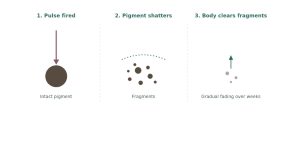
  • How it works: ultra-short pulses act through a photomechanical effect, breaking pigment into fragments the body clears gradually over the following weeks.
  • What has shifted for 2026: wider wavelength options on a single platform, gentler settings for melasma and sensitive skin, more use of skin imaging to tailor settings, and combination planning alongside topical care.
  • Realistic results: improvement builds over a course of sessions and varies between individuals. There is no fixed number of sessions and no guaranteed outcome.
  • Melasma: usually managed rather than cured, and it can recur, so it is treated cautiously as part of a wider plan.
  • Holding on to results: daily sun protection and following your aftercare are the biggest factors in reducing the chance of pigment returning.
  • First step: suitability, settings and safety depend on your skin type and history, so a consultation with a registered doctor comes first.

Pico laser has become one of the more talked-about skin treatments in Singapore, and for good reason: it offers a way to address stubborn pigmentation and tattoo ink without the longer downtime some older devices required. If you have been reading up on Pico laser in Singapore and finding it hard to separate marketing from medicine, this guide walks through the essentials in plain terms, so you can arrive at a treatment decision that fits your skin and your goals.

The name refers to the pulse speed, not a single machine. A picosecond is one trillionth of a second, and these devices fire in that ultra-brief window. That timing is what sets the category apart from the millisecond and nanosecond lasers that came before it, and it shapes both what the treatment can do and what it feels like.

What Is Pico Laser?

In short: Pico laser is a group of aesthetic lasers that release energy in extremely short bursts measured in picoseconds. Doctors use it mainly to break down unwanted pigment in the skin, such as freckles, age spots and tattoo ink, and to support skin texture. It is a medical procedure carried out by trained doctors.

Rather than one branded machine, “Pico laser” describes any laser that delivers its pulses in the picosecond range. Several systems are used in Singapore clinics, and they can operate at different wavelengths (commonly 532, 730, 755 and 1064 nanometres). Each wavelength is drawn to different targets in the skin, which is part of why a consultation and a tailored plan matter more than the brand name on the device.

How Does Pico Laser Work?

Older pigment lasers relied largely on heat to break down pigment. Because Pico laser pulses are so brief, they act more through a photoacoustic, or photomechanical, effect. In simple terms, the rapid energy creates a tiny pressure wave that shatters pigment particles into fragments small enough for your body’s own clearance systems to carry away over the following weeks. Because less heat spreads into the surrounding skin, the approach can be gentler on the tissue around the target.

An illustrative sequence showing the process of pigment fading with three steps: pulse fired, pigment shatters, and the body clears fragments over time.

An original illustration of the photomechanical effect behind Pico laser. Individual response varies.

The same principle underpins skin-texture work. Some Pico devices use a focused lens to create controlled micro-zones of energy within the skin. This is thought to prompt the skin’s repair response and support collagen over time. Peer-reviewed reviews describe this rejuvenation use as promising, though the evidence is more limited than for pigment and tattoo clearance, which is why a doctor should set expectations for your specific concern.

What Can Pico Laser Treat?

Published dermatology reviews describe Pico laser as useful across a growing set of concerns. In everyday clinic practice in Singapore, the common reasons people ask about it include:

  • Benign pigmentation: Such as freckles, sun spots (solar lentigines), and some birthmarks like naevus of Ota.
  • Tattoo ink: Including colours that were harder to clear with earlier devices, such as some reds and yellows.
  • Melasma: A hormone-influenced pigmentation, where lasers are used cautiously and usually as one part of a wider plan rather than a standalone fix.
  • Signs of sun-related ageing and uneven skin texture: Where the focus is gradual refinement rather than a single dramatic change.
  • Some acne scars: Where texture work may help as part of a combined approach.

It is worth being honest about the limits too. Not every mark responds the same way, melasma can recur, and deeper or scar-related concerns often need a combination of treatments. For a closer look at specific concerns, see our guides on Pico laser for hyperpigmentation and Pico laser for acne scars, or read the Pico laser treatment overview.

What’s New for Pico Laser in Singapore in 2026?

The core science has not changed, but a few practical shifts are worth knowing about if you are researching Pico laser in Singapore this year:

  • More wavelength options on a single platform. Several clinics now run systems that switch between wavelengths, which lets a doctor match the setting to the target rather than the other way around.
  • Lower-energy protocols for melasma and sensitive skin. Practitioners have moved towards gentler, more conservative settings for pigmentation that is prone to rebound, informed by ongoing research into how these conditions behave.
  • Combination planning. Rather than treating a laser as a single answer, many doctors now plan it alongside topical care and sun protection, which tends to give steadier results for pigmentation.
  • Clearer safety guidance for skin of colour. There is more attention to settings suited to the range of skin tones seen in Singapore, since some tones carry a higher risk of temporary pigment changes.

None of this replaces a proper assessment. The value of a Pico laser plan still comes down to the doctor reading your skin correctly and setting the device accordingly.

Who Is a Suitable Candidate?

Suitability depends less on age and more on what you want treated, your skin type and your medical background. Factors a doctor will usually weigh up include:

  • The type and depth of the pigment or concern being treated.
  • Your skin tone, since some tones carry a higher chance of temporary lightening or darkening after treatment.
  • Any history of melasma, which calls for a cautious approach.
  • Recent sun exposure or tanning, which can raise the risk of side effects.
  • Pregnancy or breastfeeding, current medication, a tendency to keloid scarring, or active skin infection at the treatment site.

This is not a full list, and it is exactly the ground a consultation is meant to cover. Some people are more suited to a different treatment altogether, and a responsible clinic will tell you so.

What Happens During a Pico Laser Session?

Knowing the sequence tends to settle nerves. A typical visit looks like this, though your clinic may vary the details:

Step 1. Assessment and skin check

The doctor reviews your concern, skin type and medical history, and confirms whether Pico laser is a sensible option for you.

Step 2. Preparation

The area is cleansed. A numbing cream may be applied for comfort, and everyone in the room wears protective eyewear.

Step 3. The treatment

The handpiece delivers pulses across the area. Many people describe a warm, prickling or light snapping sensation. Sessions are often short, from a few minutes to around half an hour depending on the size treated.

Step 4. Immediate aftercare

Soothing care and sun protection are applied. The doctor explains what to expect over the next few days and when to return.

Step 5. Review and planning

Because pigment clears gradually and responses differ, most concerns need more than one session, spaced weeks apart. Your plan is set to your skin, not to a fixed promise.

Side Effects and Safety

Pico laser is generally regarded as safe when performed by a trained doctor on suitable candidates, but no medical procedure is risk-free. Being clear-eyed about this helps you plan, rather than worry. Commonly reported effects are usually mild and settle on their own:

  • Temporary redness, mild swelling or a warm feeling in the treated area.
  • Short-lived darkening of the pigment before it fades, or brief lightening of the skin.
  • Pinpoint scabbing or, occasionally, small blisters, particularly with tattoo work.

Less common effects reported in the medical literature include longer-lasting changes in skin colour, texture change and, rarely, scarring or a hypersensitivity reaction to tattoo ink. The risk of temporary pigment change can be higher in deeper skin tones, which is one reason settings are chosen carefully. This is not meant to alarm you; it is the honest trade-off that any good consultation will talk through, along with how to lower these risks.

How to Get Optimal Results from Pico Laser

Much of what determines your outcome happens outside the treatment room. In our experience, the patients who are happiest are usually the ones who follow through on the unglamorous parts:

  • Protect against the sun, daily. Ultraviolet exposure is the single biggest reason pigmentation returns. Broad-spectrum sunscreen, reapplied, plus hats and shade, does a lot of quiet work.
  • Follow the aftercare you are given. Keep the area clean, avoid picking at any scabbing, and use only what your doctor recommends while the skin settles.
  • Pace the sessions. Pigment clears over weeks, so rushing rarely helps. Allow the spacing your doctor advises.
  • Treat the cause where you can. For hormone-linked pigmentation like melasma, laser alone tends to disappoint; pairing it with topical care and sun protection gives steadier results.
  • Be candid at consultation. Mention past reactions, medication and any tanning, so the plan is built around your actual skin.

What Results Can You Realistically Expect?

Results build gradually and vary from person to person. Freckles and sun spots often respond over a course of sessions, while melasma is more changeable and can return, which is why doctors frame it as ongoing management rather than a one-off cure. Tattoo clearance depends on ink colour, depth and age, and usually takes several sessions spaced apart.

Rather than a fixed number of sessions or a guaranteed outcome, think of Pico laser as a considered process with a realistic range of improvement for your specific concern. A doctor who sets honest expectations is doing you a favour, even if it is not what the glossier advertising promises.

When to See a Doctor

Book a proper medical consultation before starting Pico laser, and sooner if any of the following apply:

  • A pigmented spot or mole that changes in size, shape, colour or border, bleeds, itches or does not heal. These can be signs that need medical assessment before any cosmetic treatment.
  • Pigmentation that is spreading, worsening or new, so the underlying cause can be checked.
  • After treatment: blistering that worsens, signs of infection (increasing pain, warmth, pus or fever), or skin colour and texture changes that are not settling.

When in doubt, have it looked at. A mark being treated for cosmetic reasons should always be confirmed as harmless first.

Thinking about Pico lasers?

Speak with a doctor about whether it suits your skin and concerns. You can book a consultation online or contact your nearest A.M Aesthetics outlet.

Book A Consultation

Pico Laser in Singapore: Cost and Regulation

Cost depends on the concern, the area treated and the number of sessions your skin needs, so a meaningful figure only comes after an assessment. Under Ministry of Health advertising rules, Singapore clinics list plain prices without discounts, packages or comparisons, so the reliable way to understand cost is to ask directly at a consultation.

On the safety side, aesthetic laser treatments in Singapore are performed by registered doctors and are guided by the Singapore Medical Council’s aesthetic practice guidelines, while clinics are licensed under the Ministry of Health. It is reasonable to ask who will perform your treatment, their qualifications, and whether the device is appropriate for your concern. You can read about our doctors and their qualifications before you decide.

Pico Laser Singapore: Frequently Asked Questions

Is Pico laser safe?

When performed by a trained doctor on a suitable candidate, Pico laser is generally considered safe, and most side effects are mild and temporary. As with any medical procedure, risks exist and depend on your skin and the concern treated, which is what a consultation is for.

How many sessions of Pico laser will I need?

There is no fixed number. Pigment clears gradually and everyone responds differently, so most concerns need a course of sessions spaced weeks apart. Your doctor will estimate a realistic range for your skin rather than promise a set figure.

Does Pico laser hurt?

Most people describe a warm, prickling or light snapping sensation rather than sharp pain. A numbing cream can be used for comfort, and sessions are often short.

Is there downtime after Pico laser?

Downtime is usually limited. Temporary redness or mild swelling can occur and often settles within hours to a few days. Tattoo work may involve some pinpoint scabbing. Your doctor will explain what to expect for your treatment.

Can Pico laser treat melasma?

It is sometimes used for melasma, but cautiously and usually as one part of a wider plan alongside topical care and sun protection. Melasma can recur, so it is managed over time rather than cured in a single treatment.

Is Pico laser suitable for darker skin tones?

It can be, but deeper skin tones may carry a higher chance of temporary pigment change, so settings are chosen carefully. A tailored assessment is important before proceeding.

How much does Pico laser cost in Singapore?

Cost varies with the concern, area and number of sessions, so a precise figure comes after an assessment. Singapore’s advertising rules mean clinics list plain prices, so the reliable way to understand cost is to ask directly at a consultation.

Who performs Pico laser in Singapore?
Aesthetic laser treatments are carried out by registered doctors, guided by the Singapore Medical Council’s aesthetic practice guidelines, in clinics licensed by the Ministry of Health. It is fair to ask about the treating doctor’s qualifications beforehand.

In Conclusion

Pico laser in Singapore is a doctor-performed treatment that breaks down unwanted pigment and supports skin texture, with results that build gradually and differ from person to person. It is not a single fix or a guaranteed outcome, and concerns like melasma are managed over time rather than cured.

If it sounds like it might suit your concern, the sensible next step is a consultation, where a registered doctor can assess your skin, confirm whether any mark needs checking first, and set out a realistic plan. Paired with daily sun protection and steady aftercare, Pico laser can be one useful part of looking after your skin over the longer term.

Why $88 Pico Laser Treatments In Singapore Don’t Work — What’s The Alternative? #2

An introduction to Picasecond Laser

The Picosecond laser (PS) has enjoyed great popularity since its introduction into aesthetic medicine as early as three decades ago.

Initially used for tattoo removal, pico lasers today are recognised for their powerful abilities to treat a myriad of skin conditions, including acne scarring and pigmentation disorders. Almost every if not all aesthetic clinics in Singapore provide pico laser services – suffice to say, this technology is really popular.

But many don’t know this ‘pico laser’ term they throw around loosely is a technology that exists in many forms (or rather, brands and machines); in Singapore, common brands include Picosure, Discovery Pico, Picoway, Picoplus, and PicoLO.

Picosecond lasers also vary in the wavelength – 755nm (picosure) and 1064nm (the rest). 755nm has a higher affinity for melanin compared to 1064nm; it targets melanin in the skin. 1064nm has higher affinity for hemoglobin (blood) compared to 755. This affinity has an effect on treatment efficiency and possible side effects.

Too good to be true.

Recently, we’ve been seeing a lot of advertisements for pico laser packages priced at $88. Many patients have also stepped forward to compare prices.

In aesthetics or any service for that matter, pricing and outcome certainly isn’t always directly correlated; but factors like the machine used, laser setting and skill of the doctor play a huge role in treatment outcome.

From an aesthetic doctor’s standpoint, $88 for a pico laser treatment sounds too good to be true. Let us explain why.

How does the pico laser work?

The Picosecond laser uses a picosecond (less than 0.001 nanosecond) pulse duration. This causes mainly photoacoustic (mechanical) damage rather than photothermal (heat) destruction of pigment or ink particles.

For example, as the laser light energy is delivered so rapidly, it creates swift vibrations of the pigmentation it targets. This results in rapid heat dissipation, i.e. the skin only experiences very little heating effect and thus minimal discomfort. All this results in:

  • Effective clearance of abnormal pigment
  • Minimised heat damage to the surrounding tissue and hence lower chance of side effects

Why choose a picosecond laser?

With treatment efficacy optimised, possible side effects (such as post-inflammatory hyperpigmentation, heating, prolonged redness post treatment) commonly experienced with traditional nanosecond domain lasers (e.g. Q-switch lasers) are also reduced.

In Asian patients, because our skin contains more melanin, we are more prone to PIH – this is why the pico laser should be the treatment of choice for hyperpigmentation, acne scarring and photoaging. Your treatment should not be worsening your condition!
What makes the Pico laser truly stand out is its potential for collagen stimulation WITHOUT breaking the skin barrier!

This is achieved through the use of a special FOCUS lens handpiece with a Diffractive Lens Array. With this focus lens, laser energy that passes through smaller spots is magnified by up to 20 times. This creates laser-induced optical breakdowns (LIOB) or small microscopic microcavities in the skin without disrupting the skin surface, resulting in a controlled micro-injury that serves as a stimuli for subsequent collagen production.

This allows Picosecond lasers to be used to treat skin texture problems such as pores, fine lines and also atrophic acne scars! With no skin disruption, the Picosecond laser can deliver:

  • Improvement in acne scars with faster recovery than traditional ablative laser treatments 
  • Less discomfort during and immediately after treatments. 
  • Lower risks of complications such as PIH, prolonged redness and skin sensitivity than conventional ablative lasers such as the fractional CO2 or Erbium YAG lasers.

Introducing PicoSure Pro

As good as the Picosure laser is, a limitation it has is its difficulty in treating stubborn deeper pigmentation conditions, such as melasma and Hori’s nevus. The depth of penetration of the 755nm laser is slightly more shallow than its 1064nm counterparts. But all is not lost! ENTER PicoSure Pro, a 2022 update of the old picosecond laser.

PicoSure Pro is the enhanced, upgraded version of PicoSure, in which it can remove pigmentation with lesser pain and downtime than its predecessors. It’s also currently the only FDA-approved laser for melasma, Hori’s nevus and Nevus of Otus.

What’s the secret?

PicoSure Pro comes in 755nm wavelength, which primarily targets the root of pigmentation, melanin instead of water and hemoglobin thus sparing damage to surrounding tissues and reducing side effects. This formidable laser also comes with a flat optic lens that addresses discrete targeted pigmentation lesions in all skin types.

PicoSure Pro vs Old Picosure: Additional benefits

FEATURE BENEFIT
Adjustable fluences with same spot size Can treat larger treatment areas, higher fluences
33% fewer pulses to cover treatment area Shorter treatment time
Only FDA-cleared picosecond device to treat melasma pigment, nevus of Ota, Hori’s nevus Can treat pigmentation conditions safely and effectively
New Platinum Focus Lens Array with 40% more shots than before Increased collagen and elastin
New 5mm handpiece compatible with Platinum Lens Focus Ideal for treating discrete lesions, lighter skin types and smaller areas.
New Turbo mode Enhanced results in fewer treatments

H Tags test

Heading two (2)

The Picosecond laser (PS) has enjoyed great popularity since its introduction into aesthetic medicine as early as three decades ago.

Lorem ipsum dolor sit amet, consectetur adipiscing elit. Suspendisse tempor lacinia sapien quis molestie. Nam nec libero ligula. Suspendisse varius cursus risus a pharetra. Nullam hendrerit nec lacus semper blandit.

Numbered List:

Heading three (3)

Recently, we’ve been seeing a lot of advertisements for pico laser packages priced at $88. Many patients have also stepped forward to compare prices.

In aesthetics or any service for that matter, pricing and outcome certainly isn’t always directly correlated; but factors like the machine used, laser setting and skill of the doctor play a huge role in treatment outcome.

From an aesthetic doctor’s standpoint, $88 for a pico laser treatment sounds too good to be true. Let us explain why.

Heading three (3)

The Picosecond laser uses a picosecond (less than 0.001 nanosecond) pulse duration. This causes mainly photoacoustic (mechanical) damage rather than photothermal (heat) destruction of pigment or ink particles.

For example, as the laser light energy is delivered so rapidly, it creates swift vibrations of the pigmentation it targets. This results in rapid heat dissipation, i.e. the skin only experiences very little heating effect and thus minimal discomfort. All this results in:

  • Effective clearance of abnormal pigment
  • Minimised heat damage to the surrounding tissue and hence lower chance of side effects

Why choose a picosecond laser?

With treatment efficacy optimised, possible side effects (such as post-inflammatory hyperpigmentation, heating, prolonged redness post treatment) commonly experienced with traditional nanosecond domain lasers (e.g. Q-switch lasers) are also reduced.

In Asian patients, because our skin contains more melanin, we are more prone to PIH – this is why the pico laser should be the treatment of choice for hyperpigmentation, acne scarring and photoaging. Your treatment should not be worsening your condition!
What makes the Pico laser truly stand out is its potential for collagen stimulation WITHOUT breaking the skin barrier!

This is achieved through the use of a special FOCUS lens handpiece with a Diffractive Lens Array. With this focus lens, laser energy that passes through smaller spots is magnified by up to 20 times. This creates laser-induced optical breakdowns (LIOB) or small microscopic microcavities in the skin without disrupting the skin surface, resulting in a controlled micro-injury that serves as a stimuli for subsequent collagen production.

This allows Picosecond lasers to be used to treat skin texture problems such as pores, fine lines and also atrophic acne scars! With no skin disruption, the Picosecond laser can deliver:

  • Improvement in acne scars with faster recovery than traditional ablative laser treatments 
  • Less discomfort during and immediately after treatments. 
  • Lower risks of complications such as PIH, prolonged redness and skin sensitivity than conventional ablative lasers such as the fractional CO2 or Erbium YAG lasers.

Heading four (4)

As good as the Picosure laser is, a limitation it has is its difficulty in treating stubborn deeper pigmentation conditions, such as melasma and Hori’s nevus. The depth of penetration of the 755nm laser is slightly more shallow than its 1064nm counterparts. But all is not lost! ENTER PicoSure Pro, a 2022 update of the old picosecond laser.

PicoSure Pro is the enhanced, upgraded version of PicoSure, in which it can remove pigmentation with lesser pain and downtime than its predecessors. It’s also currently the only FDA-approved laser for melasma, Hori’s nevus and Nevus of Otus.

What’s the secret?

PicoSure Pro comes in 755nm wavelength, which primarily targets the root of pigmentation, melanin instead of water and hemoglobin thus sparing damage to surrounding tissues and reducing side effects. This formidable laser also comes with a flat optic lens that addresses discrete targeted pigmentation lesions in all skin types.

PicoSure Pro vs Old Picosure: Additional benefits

FEATURE BENEFIT
Adjustable fluences with same spot size Can treat larger treatment areas, higher fluences
33% fewer pulses to cover treatment area Shorter treatment time
Only FDA-cleared picosecond device to treat melasma pigment, nevus of Ota, Hori’s nevus Can treat pigmentation conditions safely and effectively
New Platinum Focus Lens Array with 40% more shots than before Increased collagen and elastin
New 5mm handpiece compatible with Platinum Lens Focus Ideal for treating discrete lesions, lighter skin types and smaller areas.
New Turbo mode Enhanced results in fewer treatments


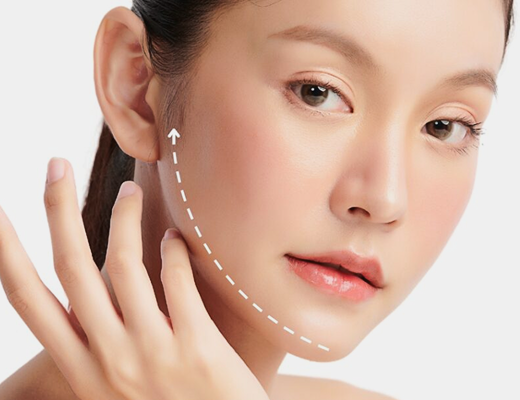
A close-up image of a female model with a focus on facial contouring, showcasing her hand gently touching her face.
Test Caption
Heading five (5)

Ut feugiat erat ac tellus auctor commodo. Nullam nec ornare lacus. Morbi eu ultrices lectus. Sed euismod arcu arcu, finibus pellentesque massa commodo a.

Heading Six (6)

Ut feugiat erat ac tellus auctor commodo. Nullam nec ornare lacus. Morbi eu ultrices lectus. Sed euismod arcu arcu, finibus pellentesque massa commodo a.

Add one liner label here

Add blog title here

Lorem ipsum dolor sit amet consectetur vulputate massa amet quis posuere sed quis.

make an enquiry